
Blog Posts
-
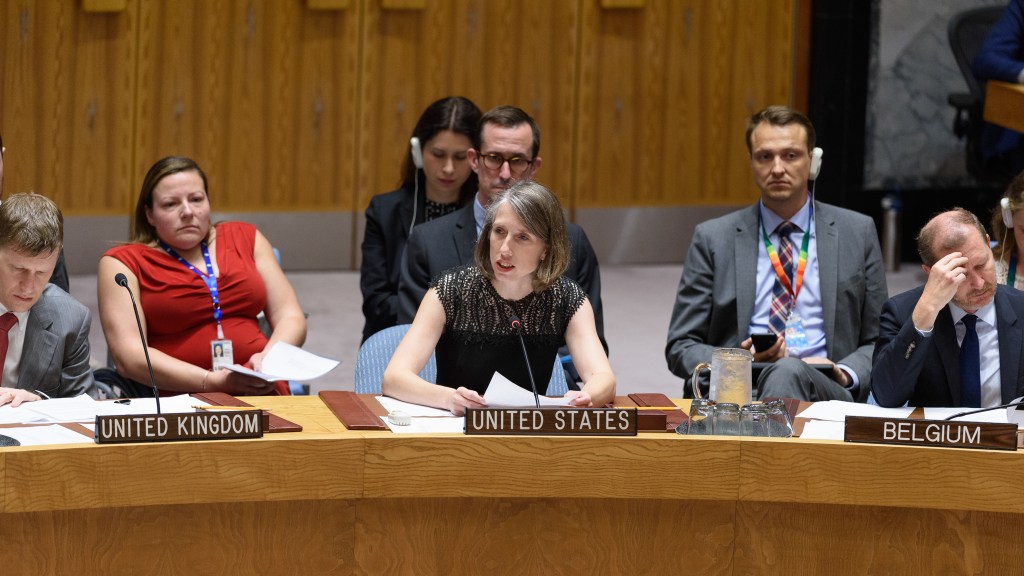
An Examination of the United Nations’ Effectiveness in Supporting Disabled Persons in Conflicts
Writer: Gabbi McAlonan-Serrano Article Editor: Emily Lash Associate Editors: Alaina Babb & Leona Rindle I. Introduction In armed conflicts, both civilians and military personnel are often at risk. Often forgotten, however, are persons with disabilities. In 2019, the United Nations Security Council developed Resolution 2475, which aimed to address the needs of disabled persons in… Read More
-
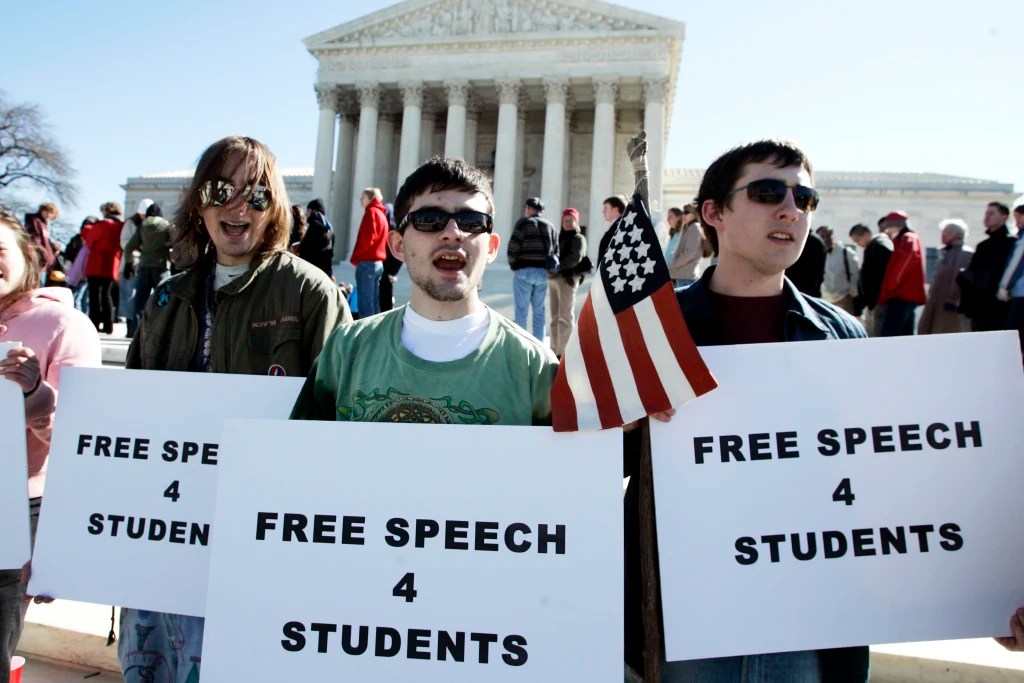
When the Bell Rings: Regulating Student Protest Amidst Public Safety Concerns
Writer: Adriano Rossi Article Editor: Jacob Taylor Associate Editors: Molly Stinson & Leona Rindle I. Introduction The Supreme Court has long recognized that public schools are vital to the preservation of democracy, describing them as “nurseries for democracies.” Schools are publicly funded and tasked with fostering intellectual growth and preparing students for civic participation. However,… Read More
-
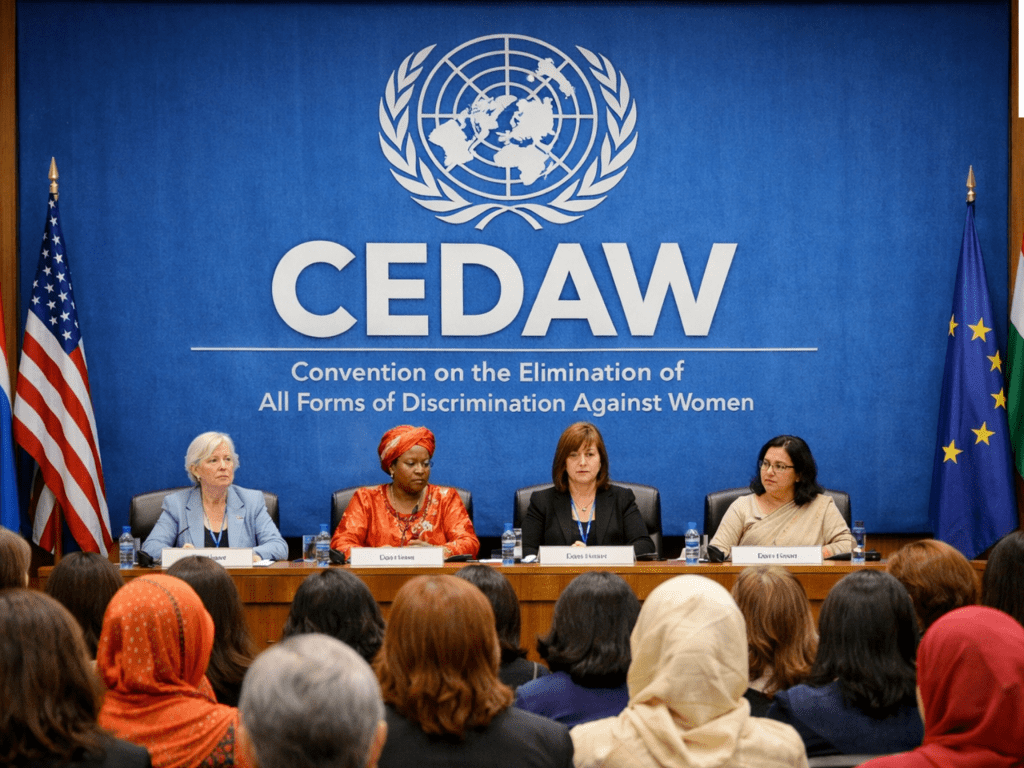
International Law and Women’s Rights in Algeria: How CEDAW and the Maputo Protocol Have Shaped Family Law
Writer: Adriana Gutu Article Editor: Taylor Schultz Associate Editor: Dina Fakhar & Leona Rindle Women in Algeria consistently fought for their rights, first during the Algerian War of Independence and later during the Algerian Civil War. Fighting relentlessly with and without the veil, Algerian women put their lives at risk for their country, yet they… Read More
-

Artificial Intelligence as a Hiring Tool: Hidden Discriminatory Impacts?
Writer: Alexa Roberts Article Editor: Isabella Brown Associate Editors: Alaina Babb & Kelsie Fernandez I. Introduction to the Intersection of Artificial Intelligence and Hiring Practices With the utilization of artificial intelligence (AI) on the rise, generative AI and large language models have become embedded in regular business operations, ranging from the employment process to daily… Read More
-
Examining the First Amendment Concerns Regarding the Defunding of the American CPB (Corporation for Public Broadcasting)
Writer: Alayja Dodd Article Editor: Tatum Cempella Associate Editors: Harper West & Kelsie Fernandez I. Introduction Heated Rivalry, a new series, has achieved global acclaim for its authentic and distinctive depiction of LGBTQIA+ relationships in mainstream media. The show is based on the novel series, Game Changers, written by Canadian author Rachel Reid, which follows… Read More
-

Do You Have a Second to Talk About Citizens’ Rights? HB 1205’s Impact on Citizen Ballot Initiatives in Florida
Writer: Samantha Mason Article Editor: Hannah Mumford Associate Editors: Harper West & Leona Rindle I. Introduction During the 2025 session, the Florida Legislature passed HB 1205, which made significant changes to the way state-level citizen petition campaigns operate. Since 1968, Florida citizens have had the ability to place constitutional amendments on the ballot for consideration… Read More
-
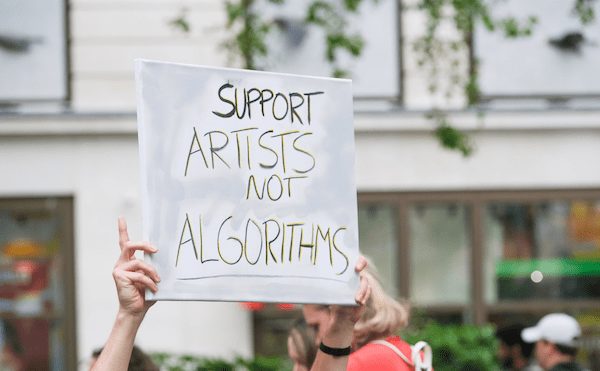
AI-Generated Scripts and the Meaning of “Authorship” Under Copyright Law
Writer: Leah Cohn Article Editor: William Purser Associate Editors: Molly Stinson & Kelsie Fernandez I. Introduction In recent years, AI has become more prevalent within the media industry. While its implementation opens the door for more possibilities—such as brainstorming, assisting with scriptwriting, and faster production—it also creates issues with regard to ownership and authorship. When… Read More
-
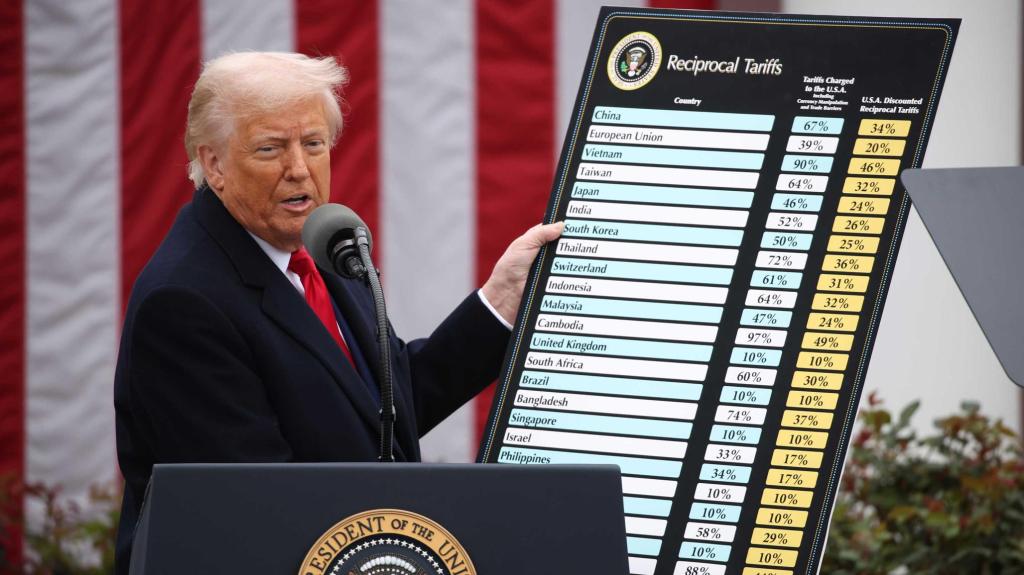
Examining the Constitutionality of Trump’s Sweeping Tariffs and Observing the Legal and Financial Impacts
Writer: Isabelle Kim Article Editor: Alexandra Falvella Associate Editors: Claire Lowenstein & Kelsie Fernandez Disclaimer: This piece was finalized prior to the Supreme Court’s decision in Learning Resources, Inc. v. Trump; therefore, it does not address the Court’s opinion or its potential impact on the issues discussed. I. Introduction On April 2, 2025, President Donald… Read More
-

The Case for Continued United States Non-Ratification of UNCLOS: Balancing Sovereignty with Global Maritime Interests
Writer: Olivia Hill Article Editor: Chasann Samuels Associate Editors: Dina Fakhar & Leona Rindle I. Introduction For over four decades, the United Nations Convention on the Law of the Sea (UNCLOS) has remained the foundation of international ocean law, establishing a legal framework to govern navigational rights, extraction of resources, and the environmental protection of… Read More
 Undergraduate Law Review at Florida State University